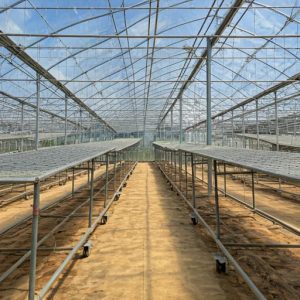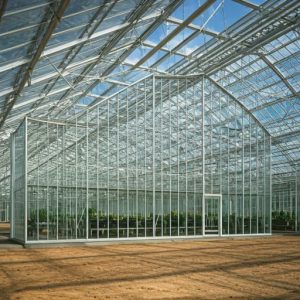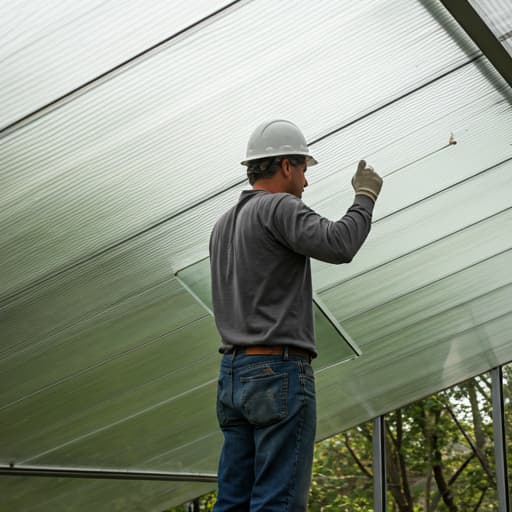
Selecting the proper glazing is critical for maximizing light transmission, insulation, and durability. In this comprehensive guide, we compare glass, polycarbonate, and polyethylene options to help you make the best decision for your specific crop and climate.
Understanding Light Transmission
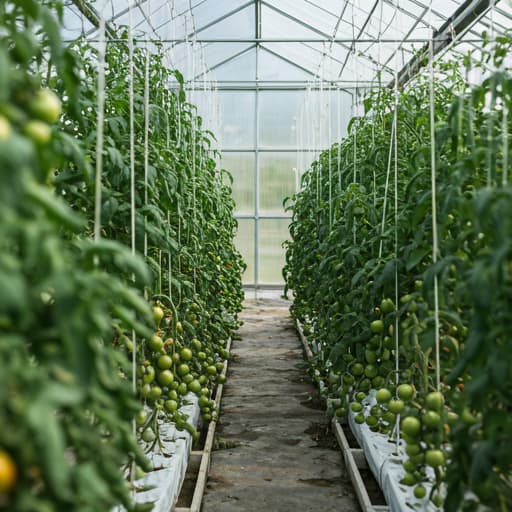
Light is the most crucial factor in plant growth. The material you choose for your greenhouse covering will directly impact the amount and quality of light your crops receive. Glass has long been the standard for high light transmission, often exceeding 90%. However, modern polycarbonates and specialized films are closing the gap, offering high transmission rates with added benefits like light diffusion.
Diffused light penetrates deeper into the plant canopy, reducing shadows and preventing leaf burn on sunny days. For crops like tomatoes and cucumbers, this can lead to significant yield increases.
Insulation and Energy Efficiency
In colder climates, heating costs can be a major expense. Double-wall polycarbonate or double-layer polyethylene can provide significantly better insulation than single-pane glass. The “R-value” measures this insulating ability; higher R-values mean better heat retention.
- Glass: Low insulation value unless double-glazed (expensive). Excellent longevity.
- Polycarbonate: Good insulation, especially multi-wall varieties. Durable but can yellow over time.
- Polyethylene Film: Lowest cost, decent insulation with double layers. Requires replacement every 3-5 years.
Durability and Maintenance
Consider the lifespan of the material. Glass is essentially permanent if not broken, whereas plastics degrade under UV radiation. However, glass is heavy and requires a more robust (and expensive) structural frame. Polycarbonate strikes a middle ground, offering impact resistance—crucial in hail-prone areas.
Pro Tip: Local Codes
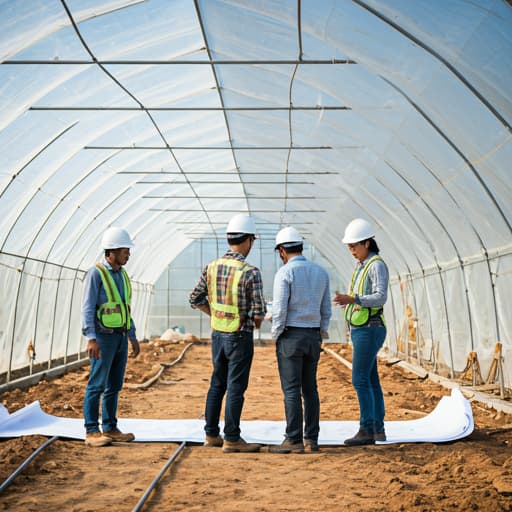
Always check your local building codes and insurance requirements. Some areas may mandate specific fire-retardant ratings or impact resistance standards that dictate your material choice.
Ultimately, the “right” choice depends on your budget, your crop’s specific light needs, and your local climate. Balancing initial investment against long-term operating costs is key to a profitable operation.